
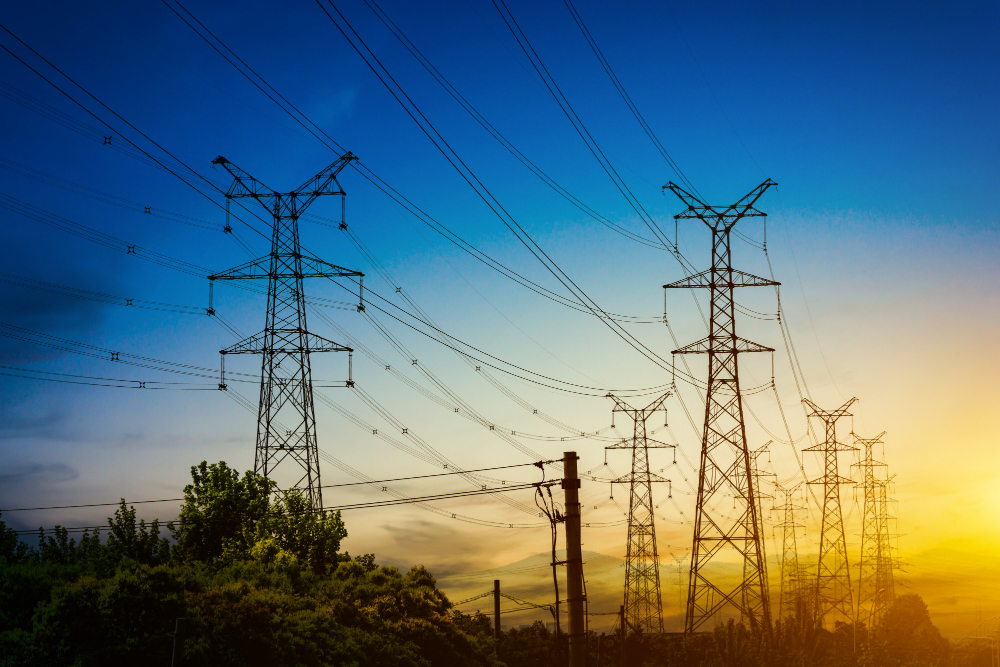
Green Power Generation
Harnessing Renewable Energy from Sugarcane Waste
At Shri Balaji Sugars & Chemicals Pvt. Ltd., power generation is not just an add-on — it is a strategic initiative aligned with our commitment to sustainability and resource efficiency. Our integrated plant features an 18 MW bagasse-based co-generation (Co-gen) power facility, designed to generate clean, renewable energy by utilizing byproducts from sugarcane processing.
How It Works: Co-Generation from Bagasse
The co-generation process uses bagasse, the fibrous residue left after sugarcane crushing, as a biofuel to produce steam and electricity. This ensures energy self-sufficiency for our plant operations and generates surplus power for the regional grid.
⚙️ Key Process Steps:
Bagasse Collection: Generated as a byproduct during sugarcane crushing
Boiler Operation: Bagasse is combusted in high-efficiency boilers
Steam Generation: Steam drives turbines to generate electricity
Power Export: Surplus energy is exported to the state power grid
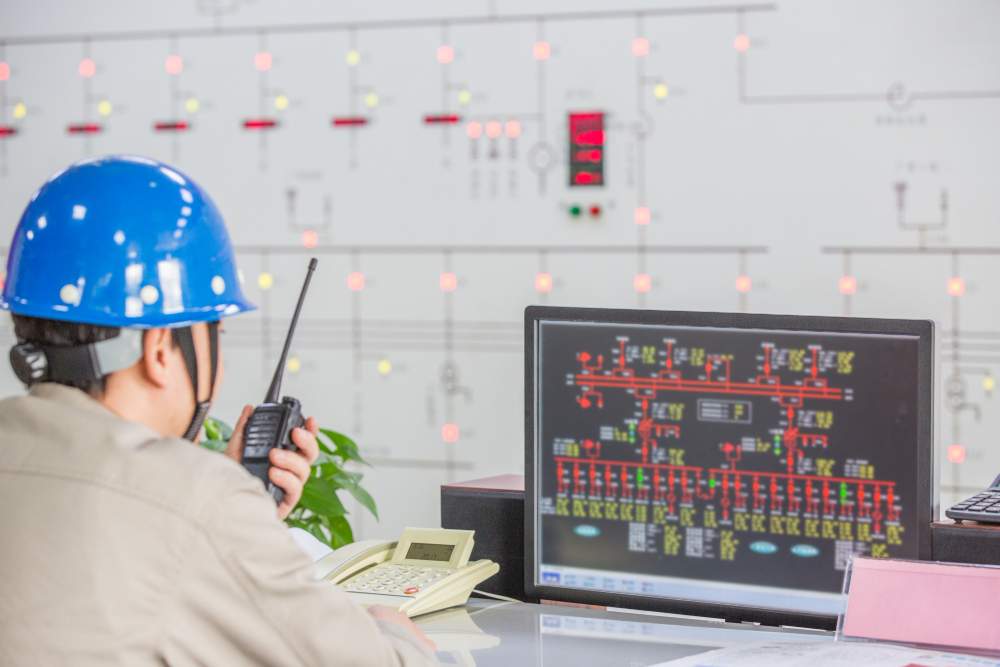
Power Plant Features
Our power facility is equipped with advanced systems for efficient and eco-friendly operation:
✅ Capacity: 18 MW co-generation
✅ Fuel: 100% renewable — primarily bagasse
✅ Boiler Type: High-pressure, slop-fired with multi-fuel support
✅ Environmental Compliance: Designed to meet CPCB/KSPCB norms
✅ Energy Use: Powers the entire sugar and distillery operations
Benefits of Our Green Energy Approach
♻️ Waste-to-Energy: Turns sugarcane residue into a valuable resource
🌿 Reduces Carbon Emissions: Replaces fossil fuels with biomass energy
⚡ Grid Contribution: Supplies clean energy to the local electricity grid
👨🌾 Supports Sustainability: Adds long-term value to the sugarcane ecosystem
💡 Operational Efficiency: Ensures uninterrupted plant functioning during peak operations
Impact Beyond the Factory
Our co-gen power project supports the regional infrastructure by:
Providing consistent, renewable power supply
Reducing dependence on conventional power sources
Promoting cleaner energy practices in Karnataka’s sugar belt
Creating technical jobs and upskilling local workforce in energy management